
Kelowna • Okanagan • Ice Damming
ICE
DAMMING.
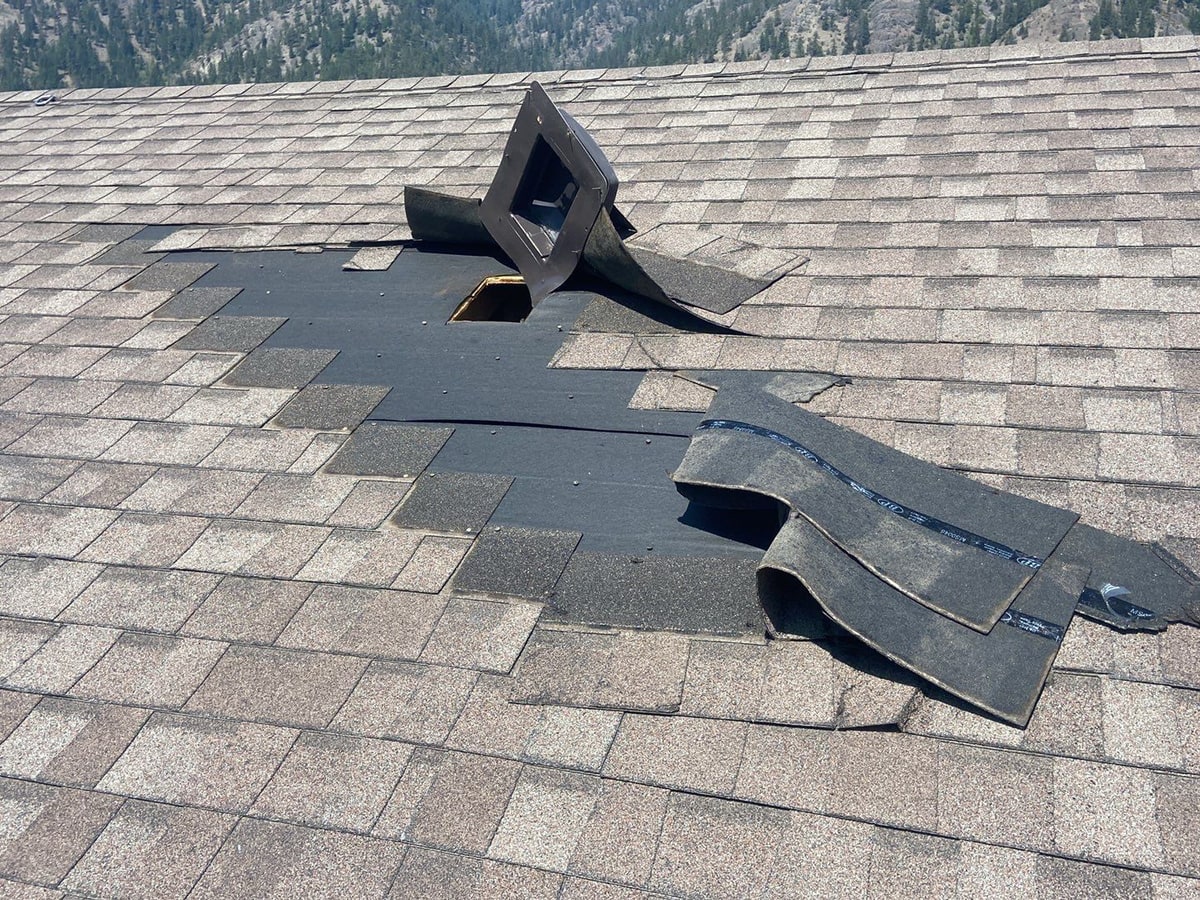
Water held behind an ice ridge does not sit still. It works under the shingles, into the decking and down into the insulation. By the time the stain shows on your ceiling, it has been in the structure for a while.
The Okanagan Freeze-Thaw Cycle Is Brutal.
Warm air from your living space rises into the attic and heats the roof deck. Snow on the warm section melts, runs down to the cold eave overhang, and refreezes — forming a dam. Water pools behind the dam and has nowhere to go but under your shingles.
Once water is under the roofing, it soaks into the decking, drips onto insulation, and runs along framing members into your walls and ceilings. Mould grows. Wood rots. And the cycle repeats with every freeze-thaw — which in the Okanagan means again and again each winter.
Warm attic. Cold eave.
That difference is the whole problem. Heat escaping into the attic melts snow on the upper roof; the meltwater runs down to an overhang with no heat under it, refreezes, and builds a ridge. Water then backs up behind that ridge and goes under the shingles — which is where the ceiling stain comes from.
The Ice Dam Defence System
Ventilation
Usually the whole fix.
An ice dam is a heat-loss problem before it is a roof problem. Get cold air in at the soffits and warm air out at the ridge and the deck stays at outside temperature — so far less melts, and far less refreezes at the eave. Most of the roofs we look at are short on intake, not exhaust. How we size it →
Heat Trace
For roofs that cannot be made cold.
Sometimes the icing is severe enough, or the geometry difficult enough, that ventilation alone will not clear it — a cathedral ceiling with no attic to vent, a north valley that never sees sun, a dormer that traps drifting snow. Self-regulating cable keeps a drainage path open so meltwater has somewhere to go. How it works →
Ice Removal
Relief, not a repair.
When a dam is already pushing water back under the shingles, it has to come off before anything else gets discussed, and people do call us to do exactly that. It buys you time. It does not change the heat loss that built the dam, so it will build again after the next storm — which is why we would rather come back once and fix the cause than clear the same eave every January. Leave it to a roofer: a hammer or a spade takes the shingles up with the ice, and salt eats the flashing and the gutters.
Handled at the same time
Ice & Water Shield
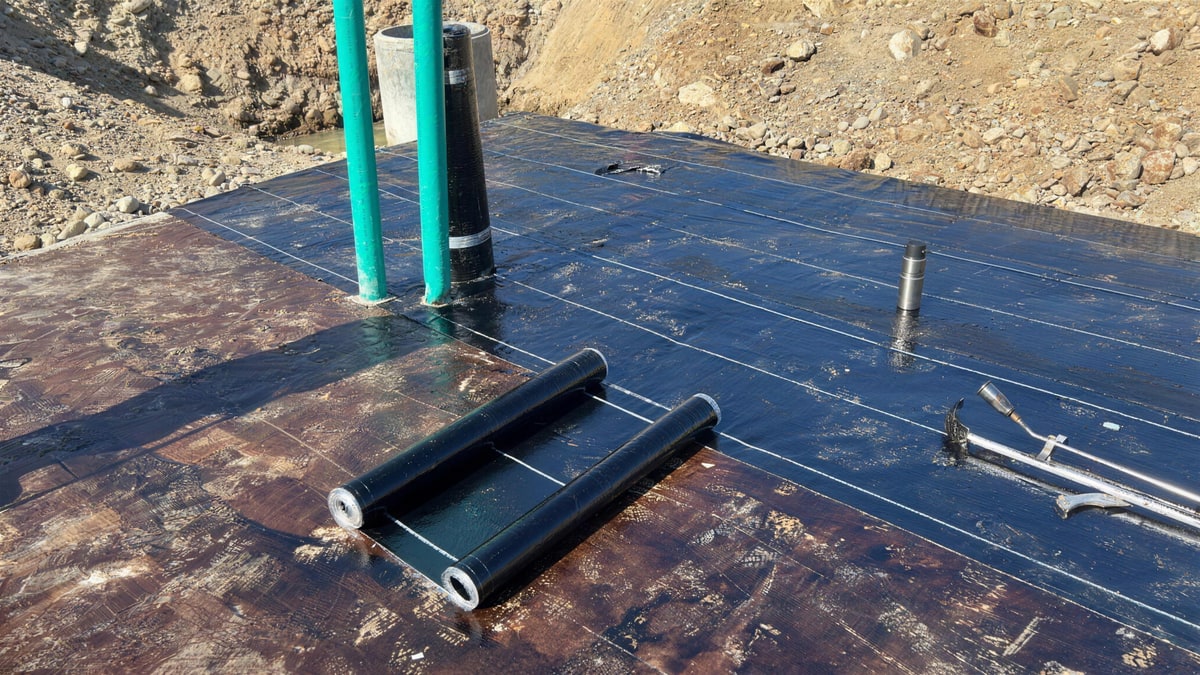
Self-adhering membrane at the eaves, valleys, penetrations and wall transitions. It will not stop a dam forming — it is there for the water that backs up behind one.
Drip Edge & Flashing
Metal detailed so meltwater leaves the roof instead of creeping back underneath the shingle course.
Insulation Gaps
Ventilation only works if the heat stays downstairs. Bath fans venting into the attic, open top plates and thin spots over the ceiling are the first things we look for. Small insulation fixes we can make while the roof is open; a full insulation job from inside the house goes to an insulation contractor.
Got Questions?
Winter Doesn’t Wait. Neither Should You.
We’ll inspect your roof, work out where the heat is getting in, and tell you what we would do about it. The inspection and quote are free.
Request a Free EstimateNo obligation • Photo-documented • Water stopped first