TPO Roofing • Kelowna & the Okanagan
TPO
MEMBRANE.
Thermoplastic polyolefin: a white, single-ply membrane with seams welded by hot air. It reflects about 78% of the sun’s energy when new, which keeps the building cooler through an Okanagan summer.
Or call directly 250-258-8600Thermoplastic Polyolefin.
Single‑Ply. Heat‑Welded.
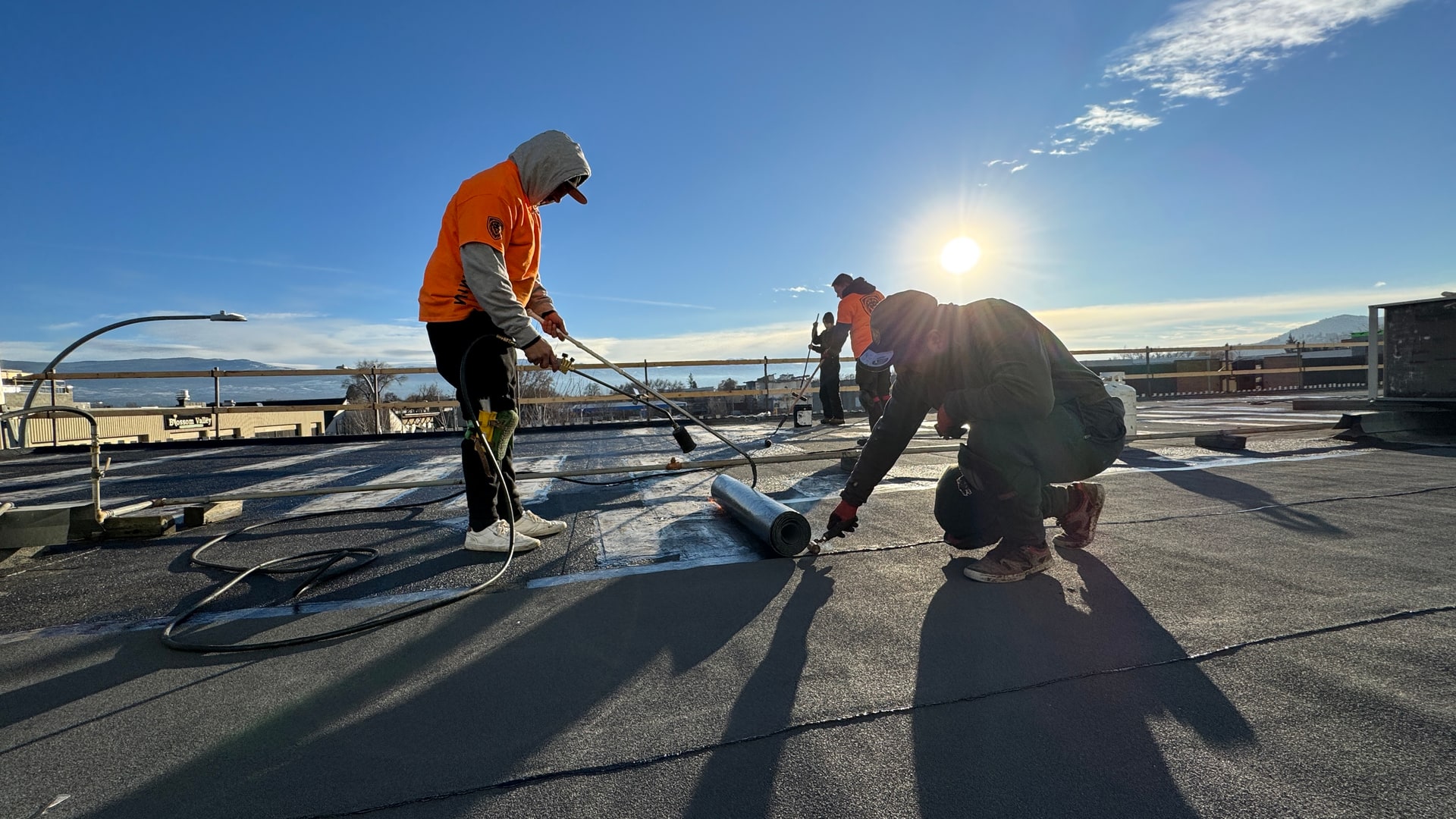
TPO (thermoplastic polyolefin) is a single-ply reflective roofing membrane made from polypropylene and ethylene-propylene rubber. Laid in wide sheets, TPO is fused at the seams with hot-air welders.
TPO is white, so it reflects the sun instead of soaking it up, and its seams are welded, not glued. That takes load off the cooling system all summer.
- IKO Certified Installer — Diamond Shield Warranty available
- IKO is our go-to brand. We also offer other brands
- Heat-welded seams
- Reflects about 78% of solar energy when new, 73% weathered
Built in
layers.
Watch a Premium TPO system come together — six engineered layers fused into one watertight, reflective surface.
- 01Steel DeckCorrugated galvanized B-deck, fastened to spec
- 02Vapour BarrierStops interior moisture migration
- 03Polyiso InsulationTwo staggered layers for full R-value
- 04Cover BoardImpact + fire protection, plate substrate
- 05Perimeter FlashingCoated-metal drip edge, engineered for wind
- 06TPO MembraneInduction-welded to plates, hot-air welded laps


The Membrane, Up Close.
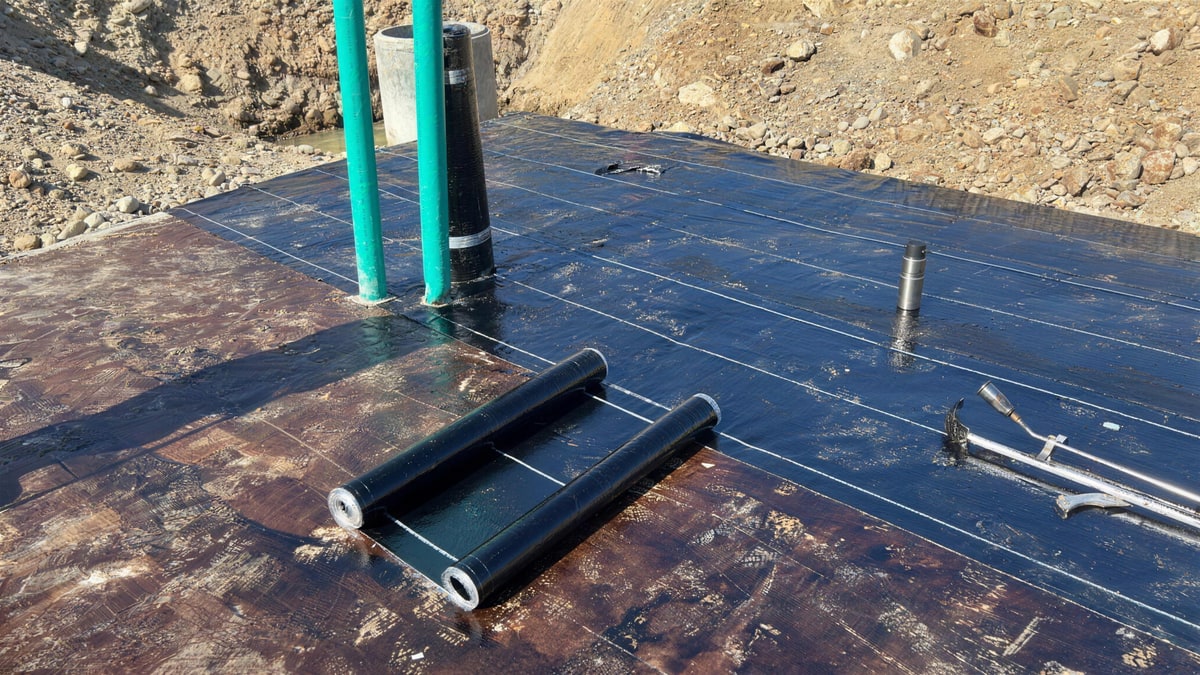
Reinforced thermoplastic polyolefin over a polyester scrim. The seam you see isn’t glued — it’s fused with hot air. That’s why TPO fields stay monolithic for decades.
- 60–80 milmembrane thickness
- 400–600°Chot-air weld temp
- ~78%reflected, new
- Class Afire rating available
Why Choose TPO.
Ideal For.
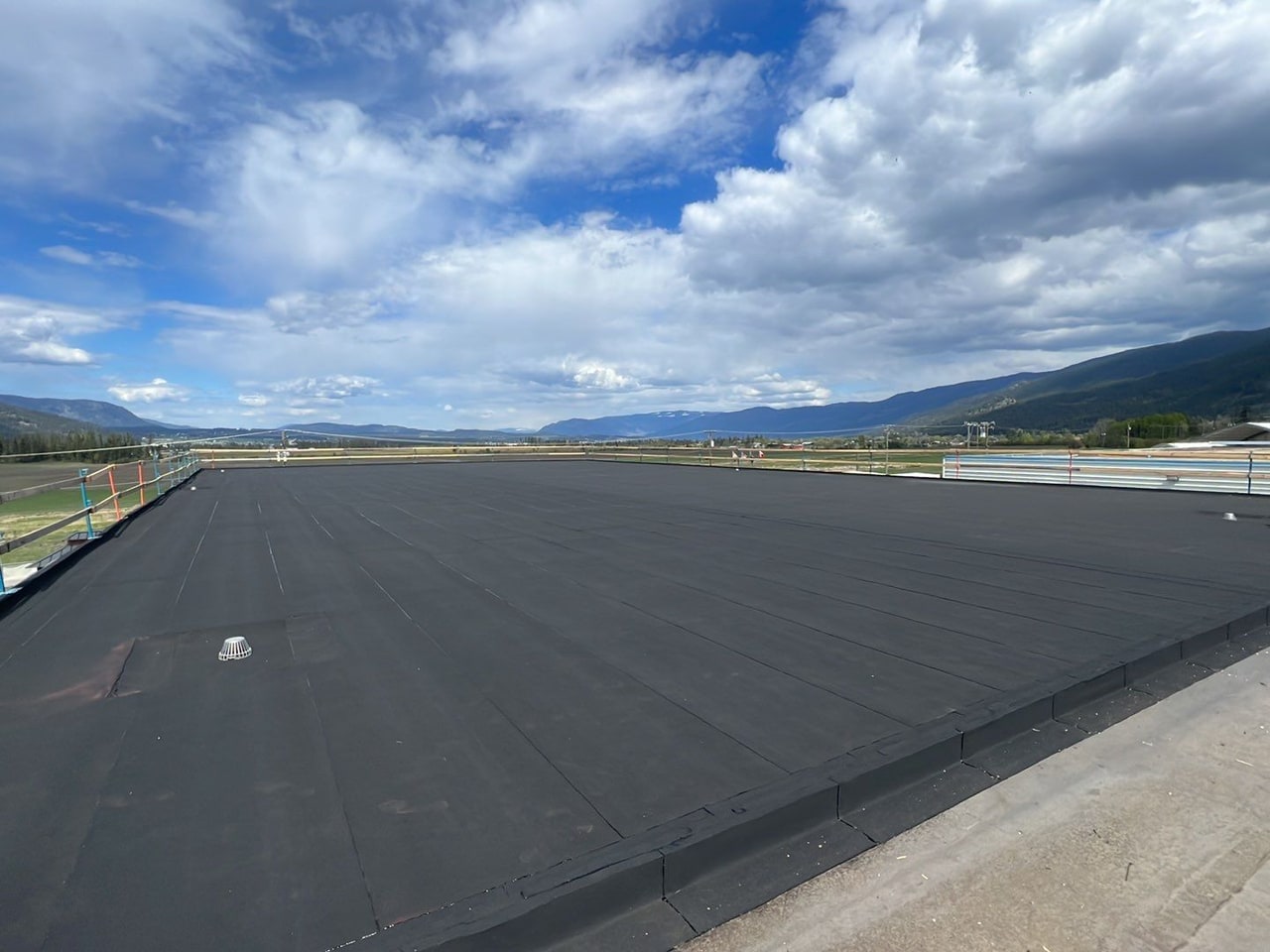
TPO excels on commercial and multi-family flat roof applications where energy efficiency and long-term performance are priorities.
-
Commercial Flat RoofsOffice buildings, retail centres, and commercial properties that demand reflective, low-maintenance roofing with proven energy savings.
-
Multi-Family ResidentialApartment complexes, condominiums, and townhouse developments where TPO’s clean aesthetics and energy efficiency benefit both owners and residents.
-
Retail & WarehouseLarge-footprint buildings that benefit from TPO’s reflective surface, reducing cooling costs across expansive roof areas while maintaining watertight integrity.
TPO in the Okanagan.
Okanagan roofs take hard sun, deep cold and constant freeze-thaw. TPO is built for all three.
TPO FAQ.
Ready for TPO?
Whether you’re planning a new commercial roof, upgrading your building’s energy efficiency, or exploring flat roofing options — our team is ready to help you determine if TPO membrane is the right fit for your project.